Serums
Understanding Eyelash and Eyebrow Serums

Full-looking lashes and beautifully defined brows are part of many beauty routines, and there are countless serums to choose from. Some promise longer lashes, others focus on conditioning, and many claim fuller-looking brows. But what do they actually do?
What are eyelash and eyebrow serums?
Lash and brow serums are topical products designed to condition, or improve the appearance of, your natural lashes and brows. Depending on the formula, they may help:
- condition dry or brittle hairs;
- improve softness and flexibility;
- support your grooming routine;
- give healthier-looking lashes and brows.
Cosmetic conditioning products are not necessarily proven hair-growth treatments.
Common serum ingredients
1. Peptides
Short chains of amino acids, popular in lash and brow products for conditioning. Any benefit depends on the specific peptide, the formula and the evidence for that product.
2. Panthenol
Also known as provitamin B5, widely used in cosmetics to improve the feel and look of hair.
3. Hyaluronic acid
Known for holding moisture, and used to support hydration and conditioning.
4. Biotin
A B vitamin involved in normal metabolism. Its presence in a cosmetic serum doesn’t show that the product will make lashes or brows grow.
5. Botanical extracts
Plant-derived ingredients used to condition lashes and brows. Natural ingredients can still cause irritation or allergic reactions, so always read the full ingredient list.
What about growth serums?
Some lash and brow products contain prostaglandin analogues or related biologically active ingredients. These are very different from ordinary conditioning ingredients.
In February 2026, the European Commission’s Scientific Committee on Consumer Safety (SCCS) published a final opinion that three of these substances, including isopropyl cloprostenate, cannot be considered safe in cosmetics intended to promote eyelash and eyebrow growth. The opinion is scientific advice and hasn’t yet changed the law, but it matters when you’re choosing products for the delicate eye area.
Don’t assume every growth serum is suitable for everyday cosmetic use.
How to choose the right serum
- Read the ingredients: look for a clear, complete ingredient list from a reputable brand.
- Understand its purpose: is it a conditioner, or does it claim to grow hair?
- Check where it can be used: some products are for brows, others for lashes. They aren’t automatically interchangeable.
- Follow the instructions: apply only as directed, and keep it out of your eyes.
- Consider your sensitivities: if you have sensitive eyes or a history of reactions, ask a healthcare professional before trying a new eye-area product.
- Be wary of big promises: avoid products with exaggerated or unsupported claims.
Adding a serum to your routine
- Start with clean skin and lashes.
- Follow the manufacturer’s instructions.
- Apply only to the intended area.
- Never use more than recommended.
- Don’t share applicators.
- Stop if irritation develops.
Use prescription lash treatments only as directed by the healthcare professional who prescribed them.
Frequently asked questions
Do eyelash serums really work?
It depends on the formula. Many are designed for conditioning, while certain prescription treatments have clinical evidence for lash growth.
Can I use the same serum on my lashes and brows?
Only if the manufacturer says it’s suitable for both.
How long does it take to see results?
There’s no universal timeframe. It depends on the product, its ingredients and you.
Are natural lash serums always safer?
No. Natural ingredients can also cause irritation or allergic reactions, so always check the ingredients.
Can I use lash serum with eyelash extensions?
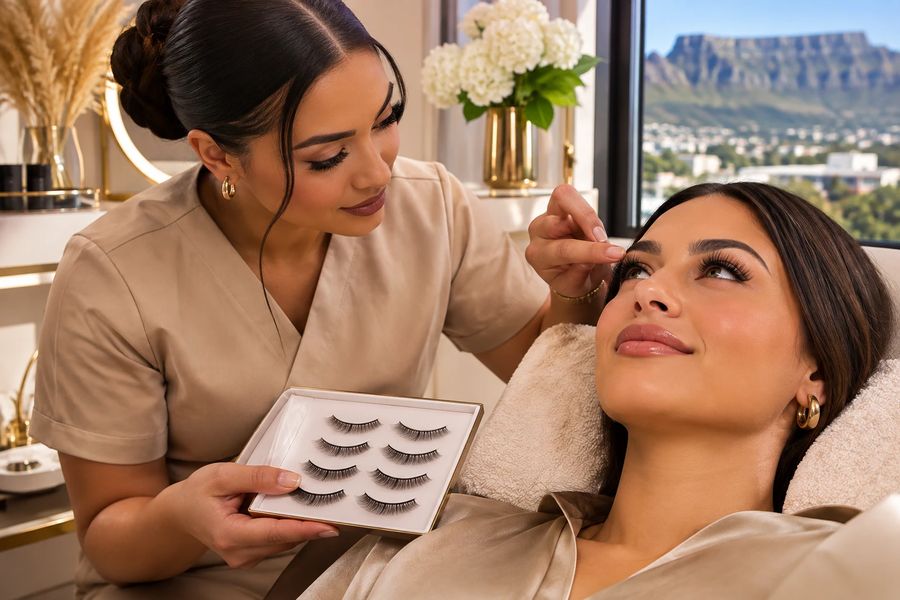
Check with your lash technician that the serum is compatible with your extensions and adhesive. Don’t apply products directly onto extensions unless they’re confirmed suitable.
This article is general beauty information, not medical advice. Choose treatments and products with your own sensitivities and eye health in mind, and always follow the manufacturer’s current instructions.